

Laos is a country that not many people know many things about. Indeed, it’s a country that few have heard of and one that seemingly has very little international reputation. This level of obscurity meant that we were very excited to see what it had to offer and we couldn’t wait to dive into the unknown.
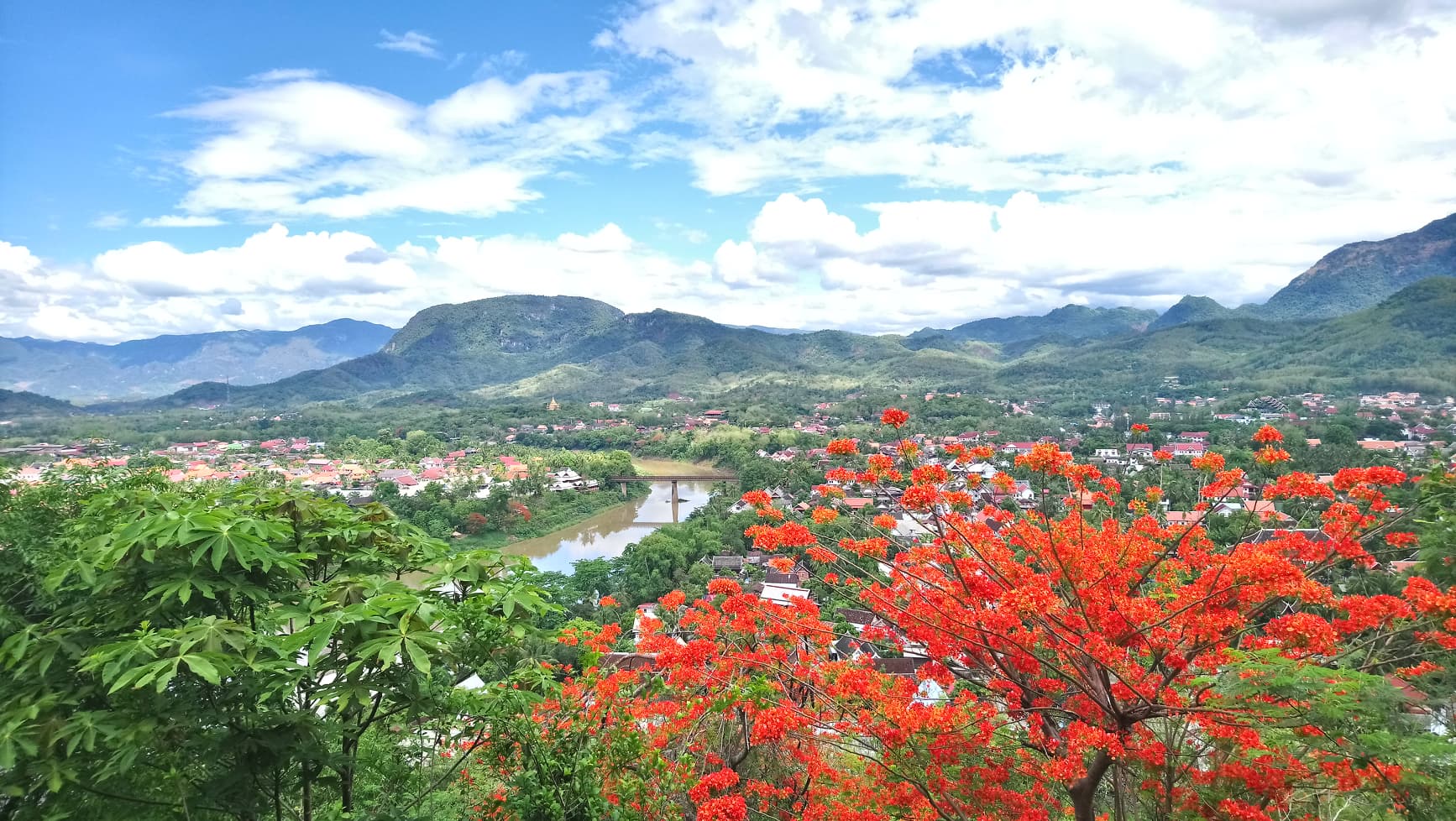
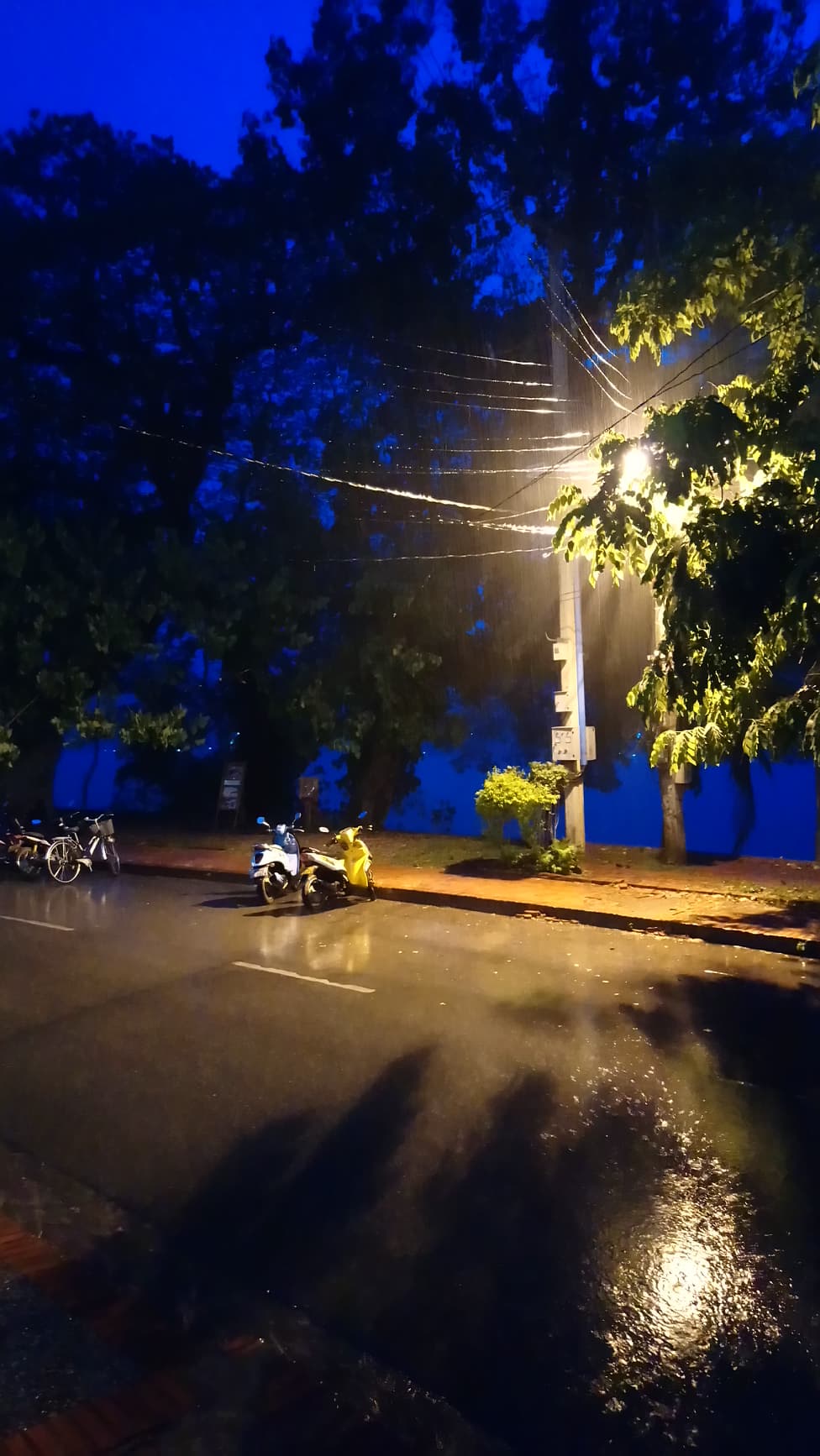
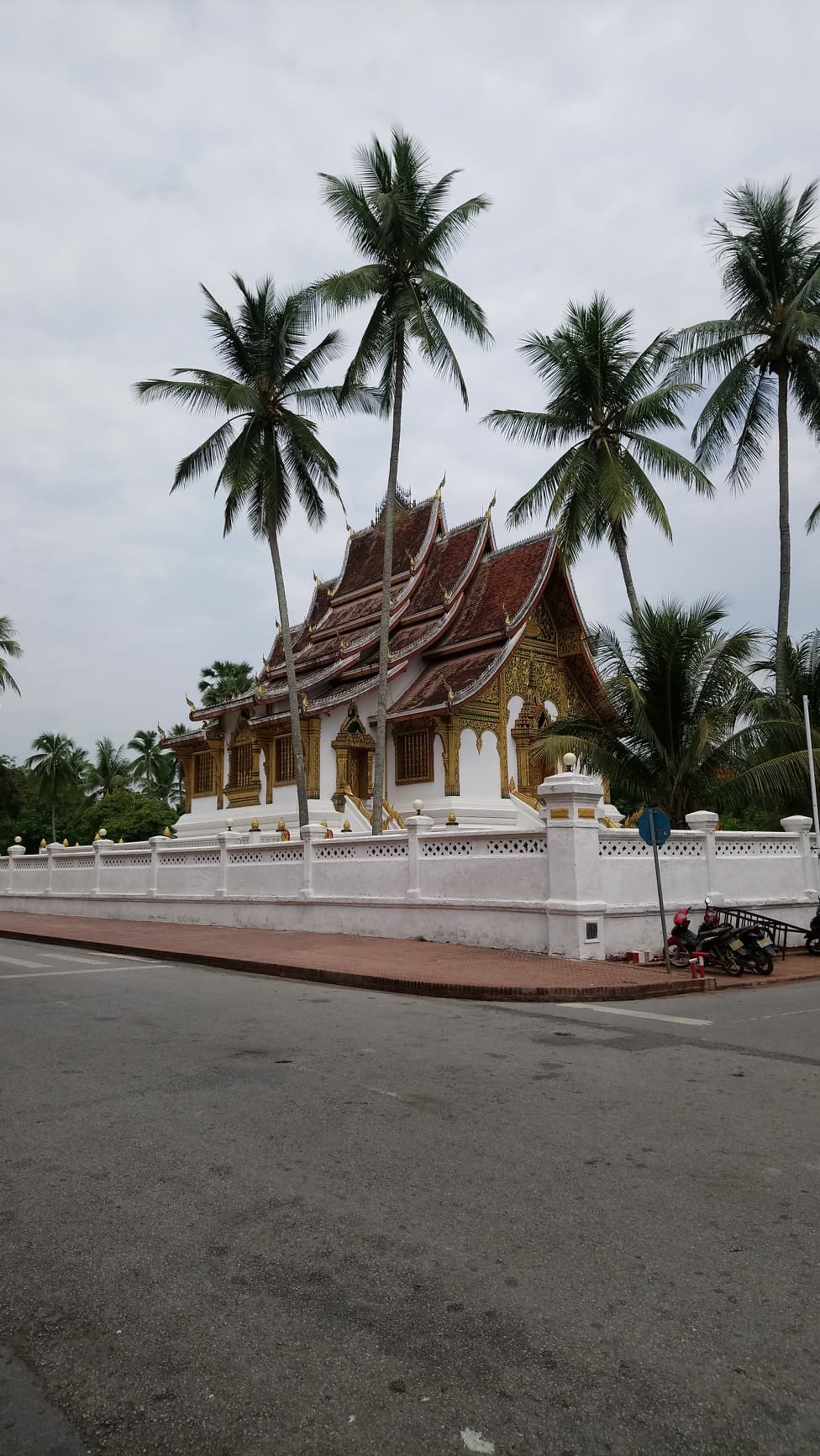
The first stop was Luang Prabang, perhaps the most famous place in all of Laos (though i will forgive you for not having heard of it). The city in a Unesco World Heritage site and has served as the capital of the country numerous times, with countless kingdoms laying claim to the ‘Jewel of the Mekong’ over the years. Arriving of a slightly scary propellar plane flight from Chiang Mai we checked in to the hostel and went to have a look around. However, this quick look turned put to take much longer than we originally thought after we got stuck in the most almighty storm we had ever seen; rain hammered down, winds gushed down the streets, and the elecctricity in the city kept going off and plunged us into darkness. We managed to wait amd it finally died down enough for us to feast on warer buffallo at a local restaurant.
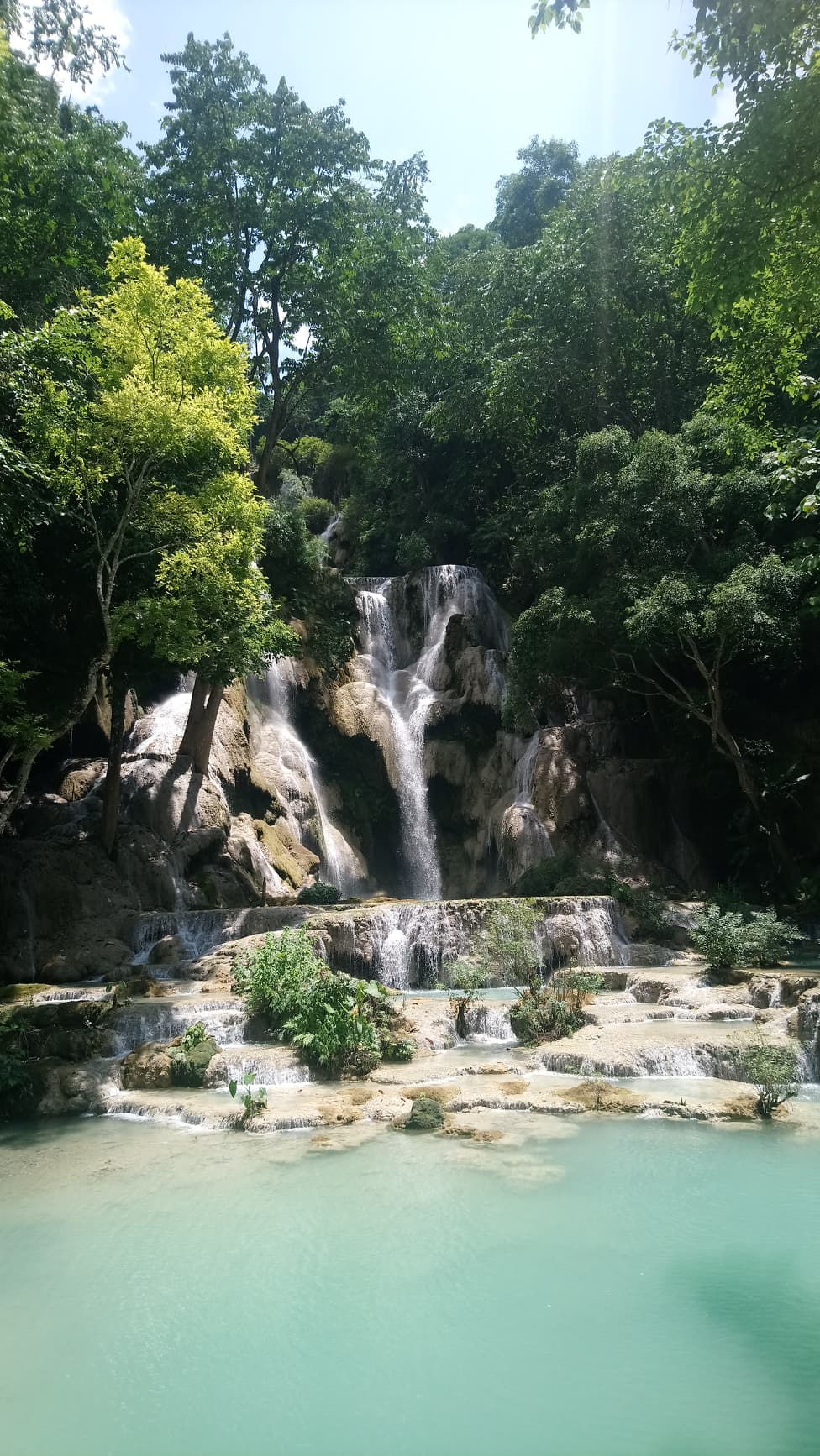
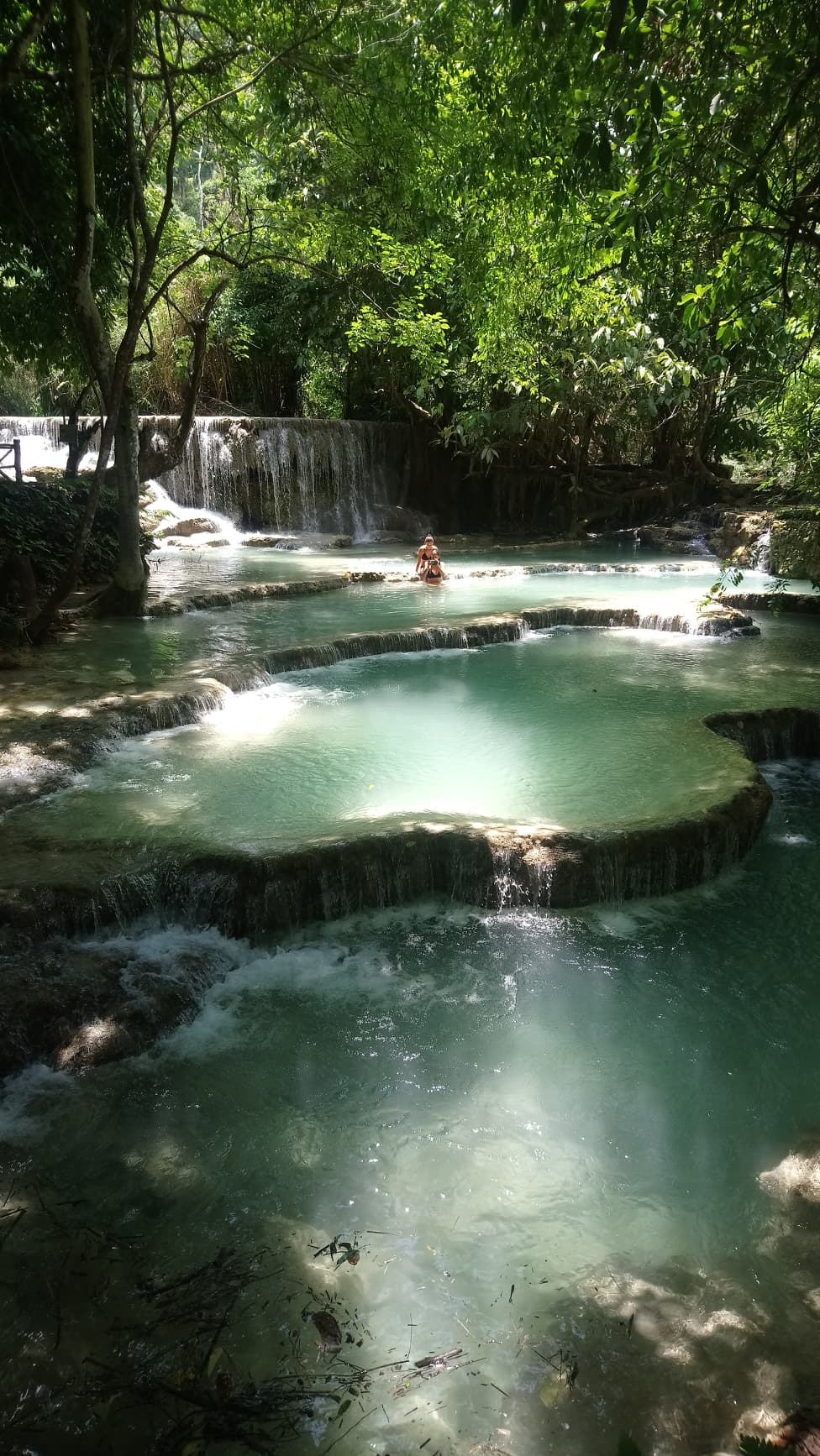
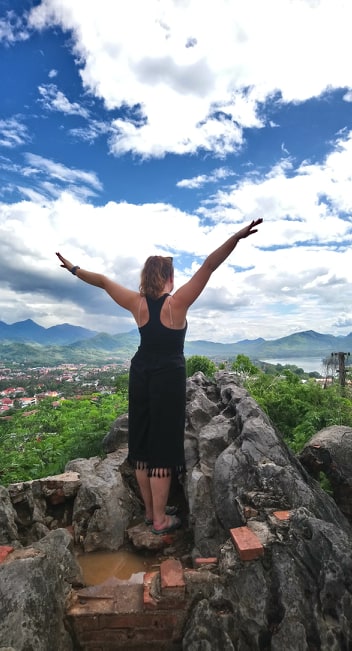
The next day we went with a few friends to the Kuang Sri waterfalls nearby. The falls are stunning, beautifully clear and an almost luminous blue. We took a hike up to the summit of the biggest one and were met with a wonderful view and once we got down dived into the pools underneath the falls to coold down from the 40 degree heat. That night we went around the local night market and grabbed dinner at a fantastic all-you-can-eat vegetarian buffet for the equivalence of £1.50. The day after was spent leisurely exploring the quiter parts of the city and hiking up a very large hill in the center for a wonderful view of the surrounding area before heading for a bit of indulgence at a superb pizza place.
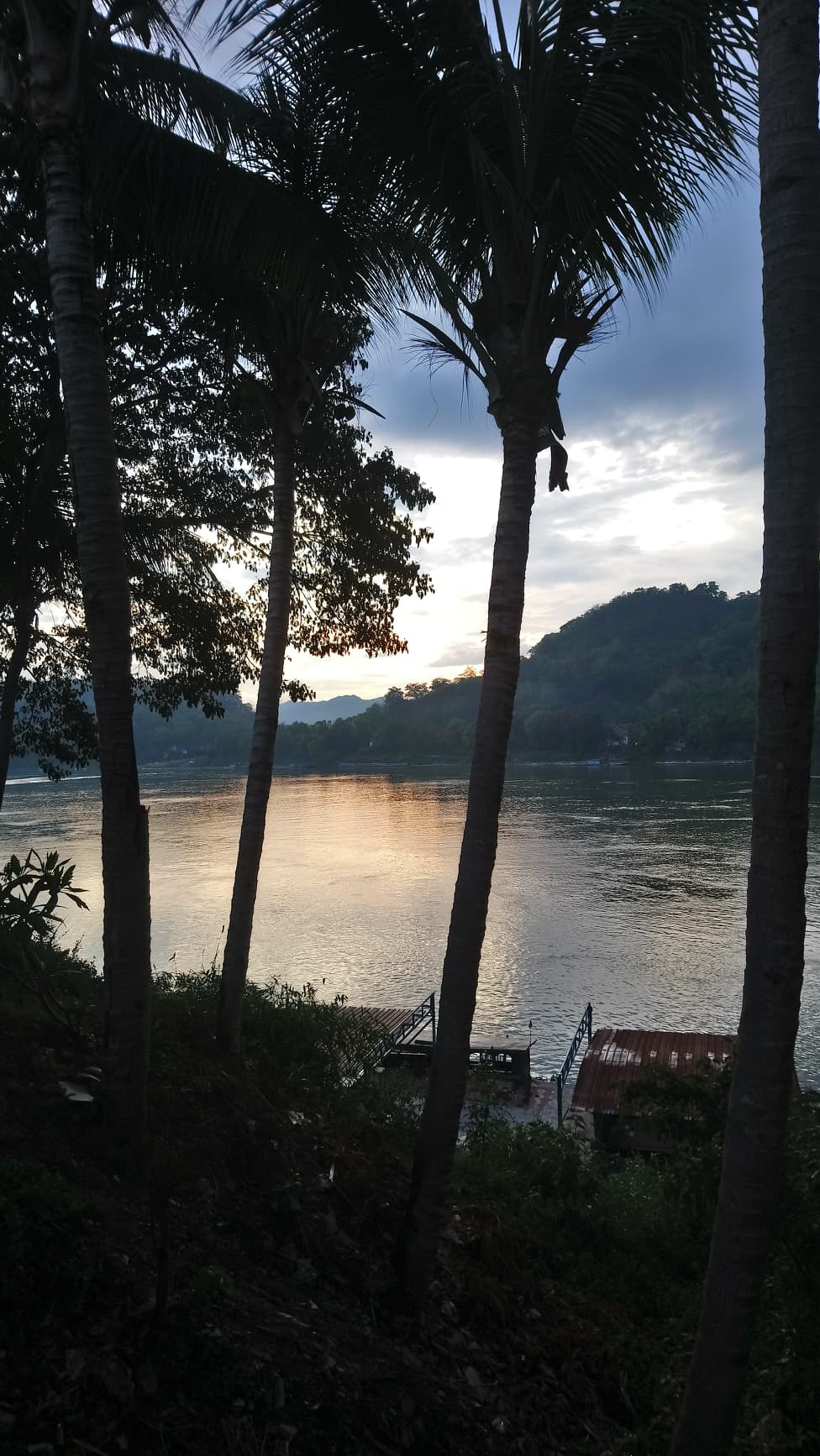
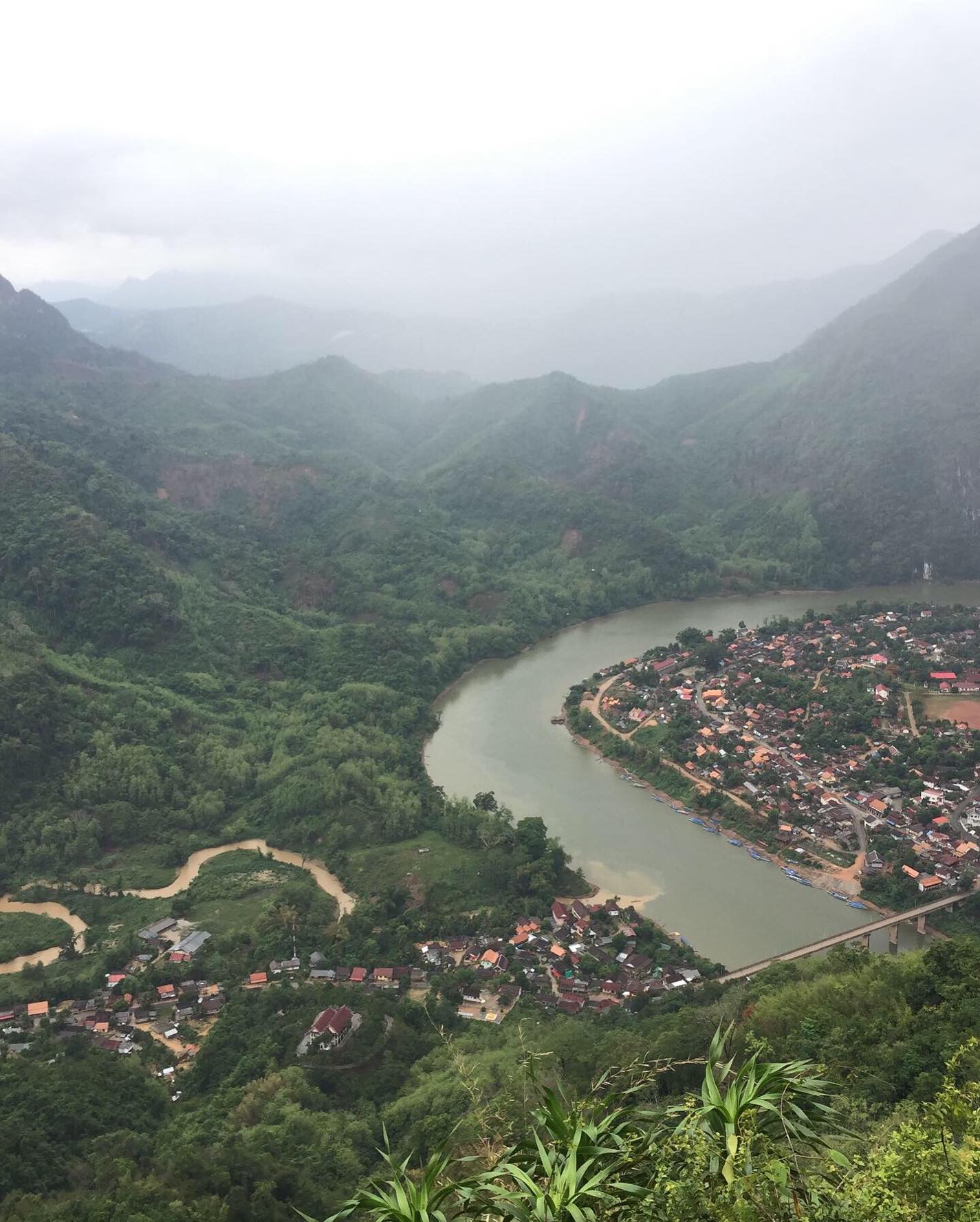
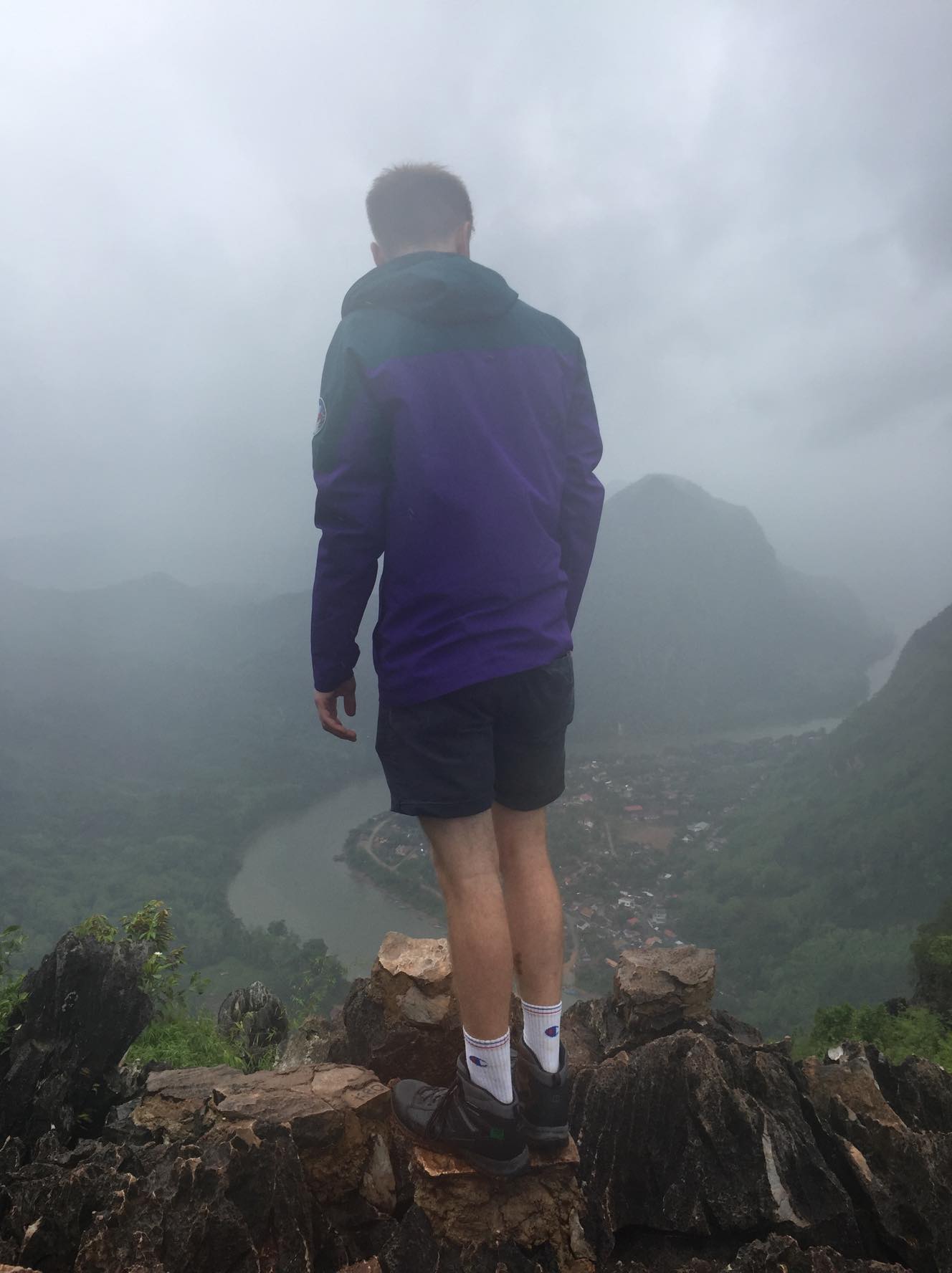
From Luang Prabang we headed north, into the foothills of the himalayas amd to the town of Nong Khiaw. The jourmey was short, no more than 60 miles, however the absolutely terrible nature of the roads meant that it took 4 hours, and even tthat was woth the bus driver going like a maniac. We had heard a lot about Nong Khiaw and the stunning natural beauty ot possessed; its safe to say we weren’t dissapointed. Built along the banks of the Ou river (a tributary of the mighty Mekong), the town is spread over two sides and is connected by a bridge. Towering all around were huge towers of karst limestone that meant whenever you were walking about you constantly had your neck craned upwards. Granted the town was small and the activities limited, however we ended up extending our stay by a day just to soak in the beauty of it all and to make the most of the lovely bungalows we stayed in. Accommodation options were limited in Nong Khiaw so we had to pick the highest rated place available that turned out to be a lovely bungalow resort on the north side of the river, it was called Nong Khiaw Riverside and for £20 a night for a bungalow for two was stunning. One of the days we stayed in the town we did the Viewpoint hike to see what we had heard was the most beautiful sight in Laos. Well, I have seen a fare amount of views in my 21 years but boy, it was incredible, the way the clouds coated the cliffs was pure magic.
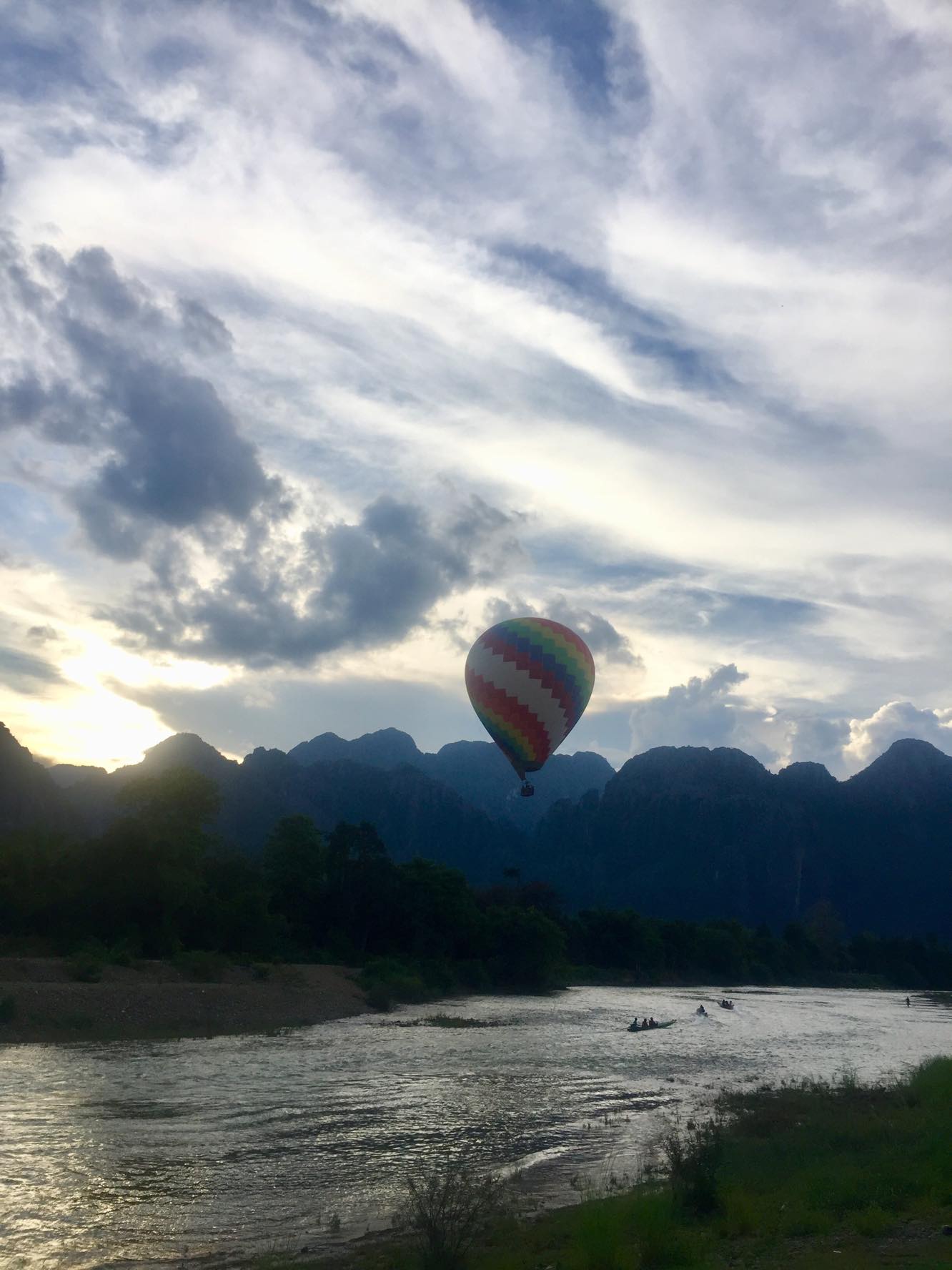
After having some nice down time in the north we went south to Vang Vieng, the party capital of Laos. Vang Vieng is worth a Google, it has become infamous throughout SE Asia for tubing. This is essentially where a local gets a big tractor inner tube, inflates it, a party-mad foreigner comes along rents it for the day and floats down the river for the day visiting all 30 bars selling buckets of Lao Lao local whisky for £1. Sound unsafe? That’s because it is. In 2011, 27 foreign backpackers died either from drunk drowning or the stunts that they used to drunkenly attempt at these bars, including one Aussie who diver head first of a tree into water barely ankle height. In 2012 a big Australian broadcaster did a 60 minutes on it and thus led to the government cracking down hard; all the bars were closed and even 7 years later there are only 3 allowed to operate. This notoriety meant we were reluctant about Vang Vieng and felt overwhelmed when we arrived of a 10 hour journey from a sleepy mountain town to a throbbing party centre. This was perhaps not helped by our decision to stay in Nana’s, the biggest party hostel in town. Indeed, for me, the best part of Vang Vieng is what outside of Vang Vieng. By this I mean the beautifully stunning scenery, that just reaffirmed our belief that Laos is perhaps the most visually impressive country we had ever visited. Not liking the grimy town very much we tried to do activities outside in the beautiful countryside, these included rock climbing and going to the blue lagoon 3. Both were great as the rock climbing was outside of the gorgeous limestone cliffs, and the lagoon was a beautifully chilled area to hang out at with fun swings and zipwires. Having heard a lot about the town and all good, I think Vang Vieng has to be one of the first places I was actually dissapointed by. Don’t get me wrong, we had a great time, but it was just like Magaluf brought to the east, and was summed up by big bulky guys walking down the streets promoting bars and clubs with emblazoned tank tops stating ‘Tubing Never Dies, Vang Vieng forever’.
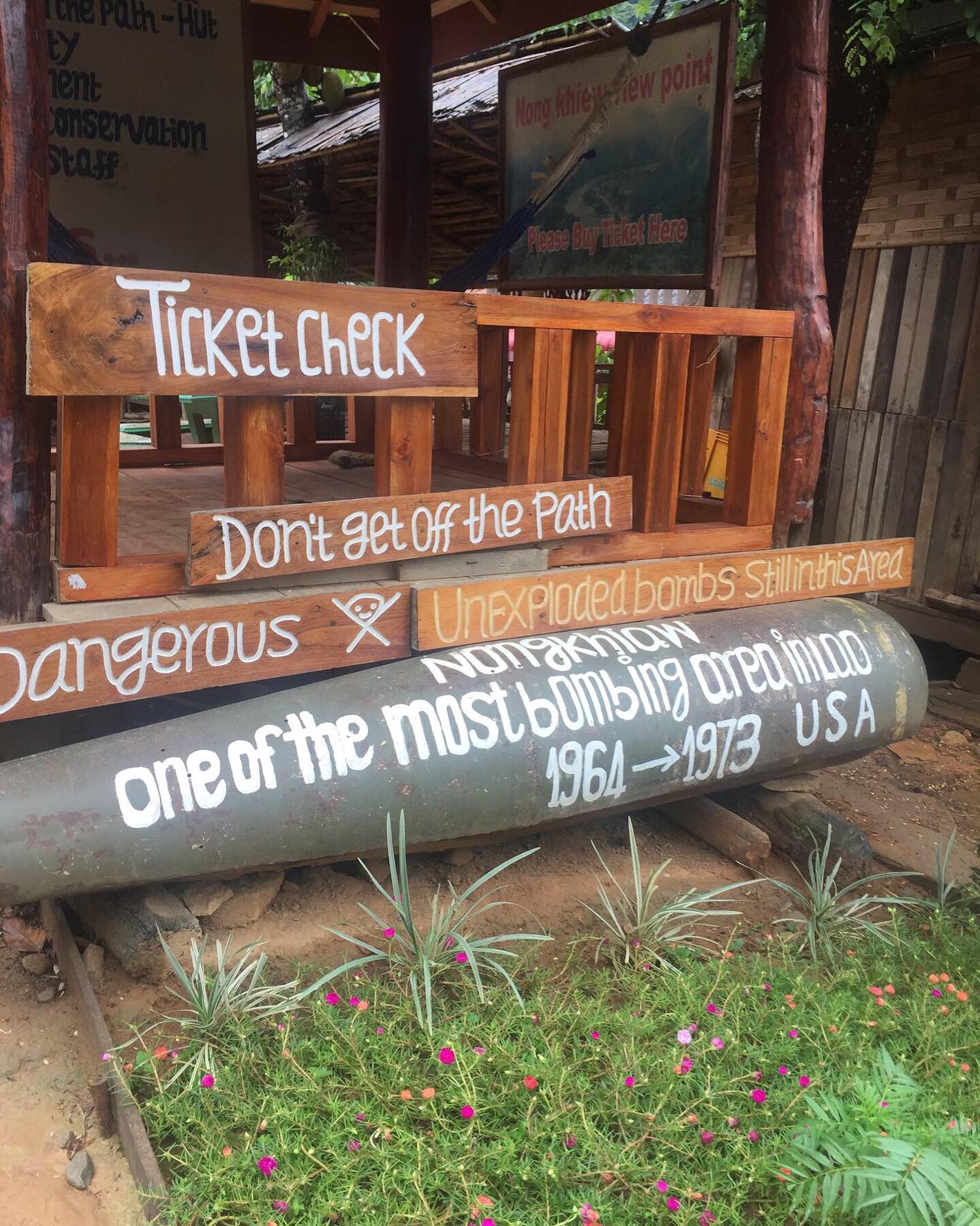
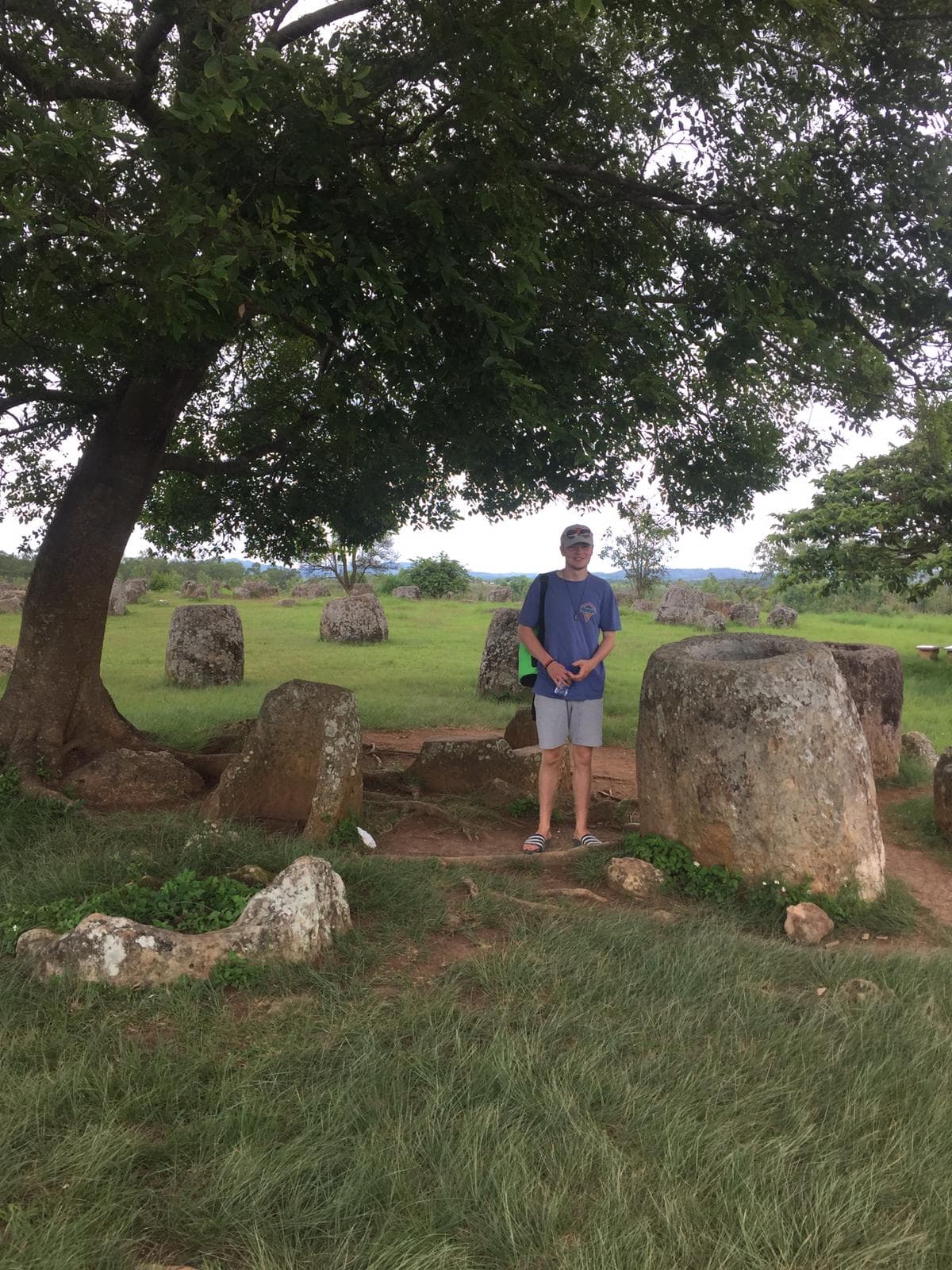
We left Vang Vieng after 4 nights, a long stay for how we felt about the place, and headed to Phonsavan and the Plain of Jars. Phonsavan as a city is nothing special, a nice Italian restaurant and a cool cafe called Cranky-T’s (lovely place if you ever happen to find yourself in Phonsavan, although I don’t know how that situation would arise). However, it’s what is outside the town that counts. The Plain of Jars are Neolithic burial grounds that number over 90 sites with thousands of stone jars about 3 metres heigh. Approximately 3,000 years old, the rival stone henge, and during the Secret War the Americans conducted against Laos in the 1970s, they were the site of some of the most intense bombing anywhere in the world. Amy has done a touching social media post on this but I will sum it up as best as I can. From 1964 -1973, Laos had a plane load on bombs dropped on it every 8 minutes, 24 hours a day, 365 days a year, for 9 years straight. Laos alone had more bombs dropped on it than the whole of both the allied and axis forces dropped on Europe in WWII. Laos is by far, the most bombed place anywhere on Earth. To say the country has been through hell and back is an understatement. The prelude as to why the country was bombed is all on Wikipedia under the Secret War and is too long to go into here but I strongly recommend to read up about it for it is a criminally overlooked piece of 21st century history. Walking around the these thousands year old sites seeing bomb craters everywhere was a truly humbling experience. Also, in Phonsavan itself is the MAG (Mine Advisory Group) museum that illustrated the true cost of the bombings today. Due to the type of ammunition dropped on Laos being cluster bombs, a big bomb that splits open to release thousands of little bombs, they estimate there is over 8 million live bombs left in the country. Thus means communities can’t build schools on new land due to fear of being blown up, they can’t expand there farms, they can’t build new roads, the spiral of poverty is exacerbated. The work MAG does in clearing these bombs is vital, they save lives and build a future, and I also strongly urge you to look them up.
Anyway, back to more cheery topics, after our time in Phonsavan we went to Vientiane, the capital, via sleeping bus. I’m normally a deep sleeper and I can sleep through a lot, but a 5ft 8in single bed that was designated to both me and Amy to sleep in for the night on this bus, was too much. I got a solid 20 minutes the whole night with highlights including going round the windiest roads, spilling half my toothpaste on me, and even being asked to move to the bottom bunk to sleep with a family of 3 at one point because a Laotian man wanted to sleep in my spot instead (no chance mate).
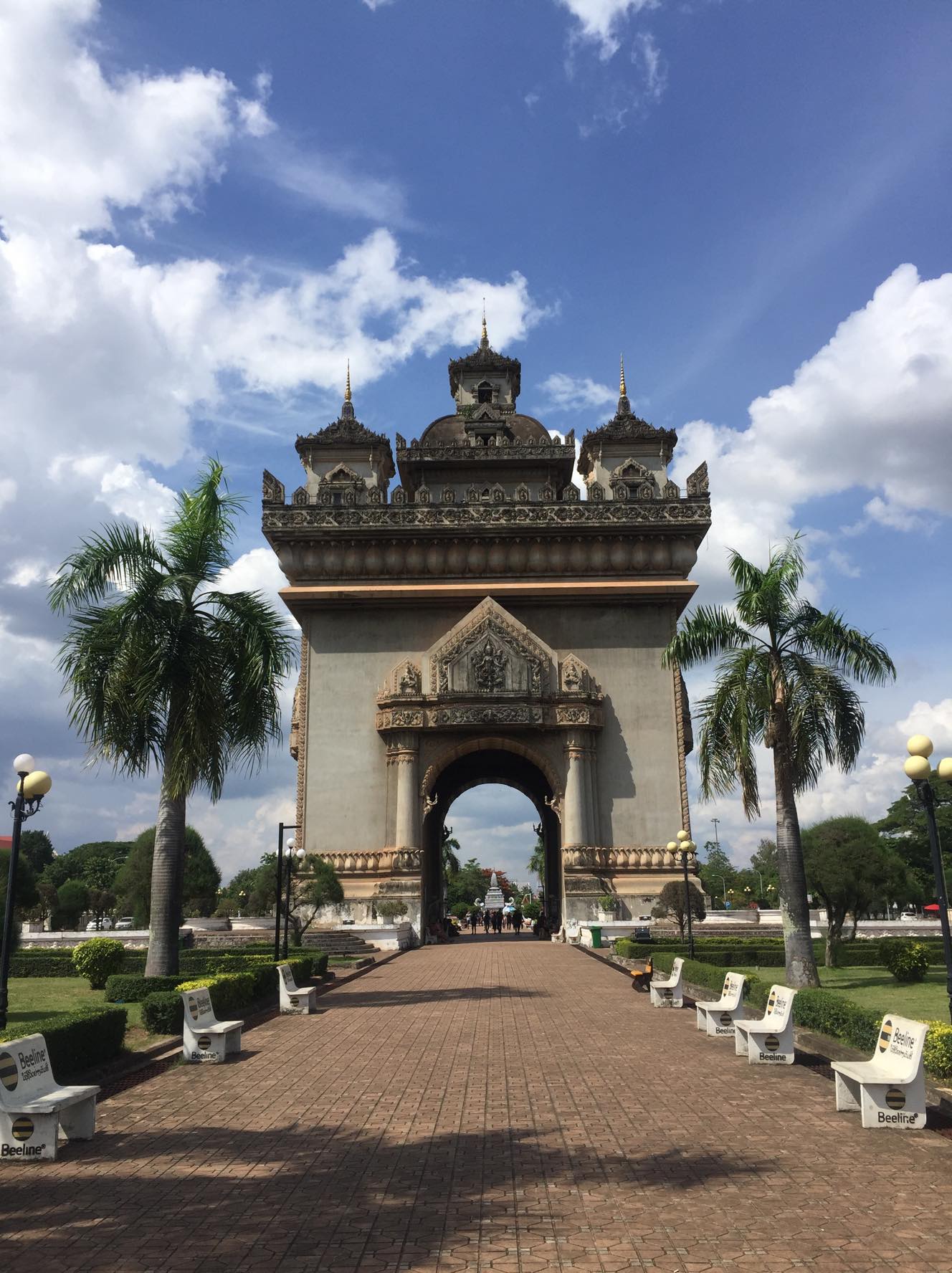
After the journey from hell we arrived in Vientiane. We had been warned by practically everyone that Laos Capital city had nothing to see, and whilst partially true, we enjoyed the city. Sitting in nice French cafes, sipping lattes, watching the Mekong and visiting lovely Buddhist temples isn’t exactly a chore after all. For 3 days it was a perfectly lovely place to relax and wind down. It is in and of itself a very laid back city, very few people, small in size, and with few traffic jams clogging it up, it doesn’t feel like a capital city. But the again Laos doesn’t feel like your normal country. About the size of the UK, it has no motorways, no pulsating metropolises, and no scrum of people bustling everywhere, it is, in short, the perfect antidote to SE Asia itself, being in it, but not really a part of it. Whilst there were parts of it we struggled with, and maybe 2 weeks was too long, Laos was an experience we will both never forget and a truly alien place to anywhere we have ever been before. And after all that’s what travelling is all about really isn’t it.
Will


Leave a Reply